
Plan the land, the pipes and the industry in one conversation.
Employment land is usually planned one site at a time: a parcel sold, a road built, a service connected, each on its own timeline, each answering to a different decision-maker. Precinct thinking starts from the opposite direction.
A precinct groups land, utilities, freight access, health, education and existing anchors into a single assessment, so that what is built in one place makes sense with what already exists nearby. It also treats nearby sites as linked sites (a network rather than a single address) because a logistics business, a workshop and a training provider rarely succeed alone.
The idea has to work across boundaries: North West Sydney spans three council areas (The Hills, Blacktown and Hawkesbury) and the useful catchments for labour, freight and services do not stop at a municipal border.
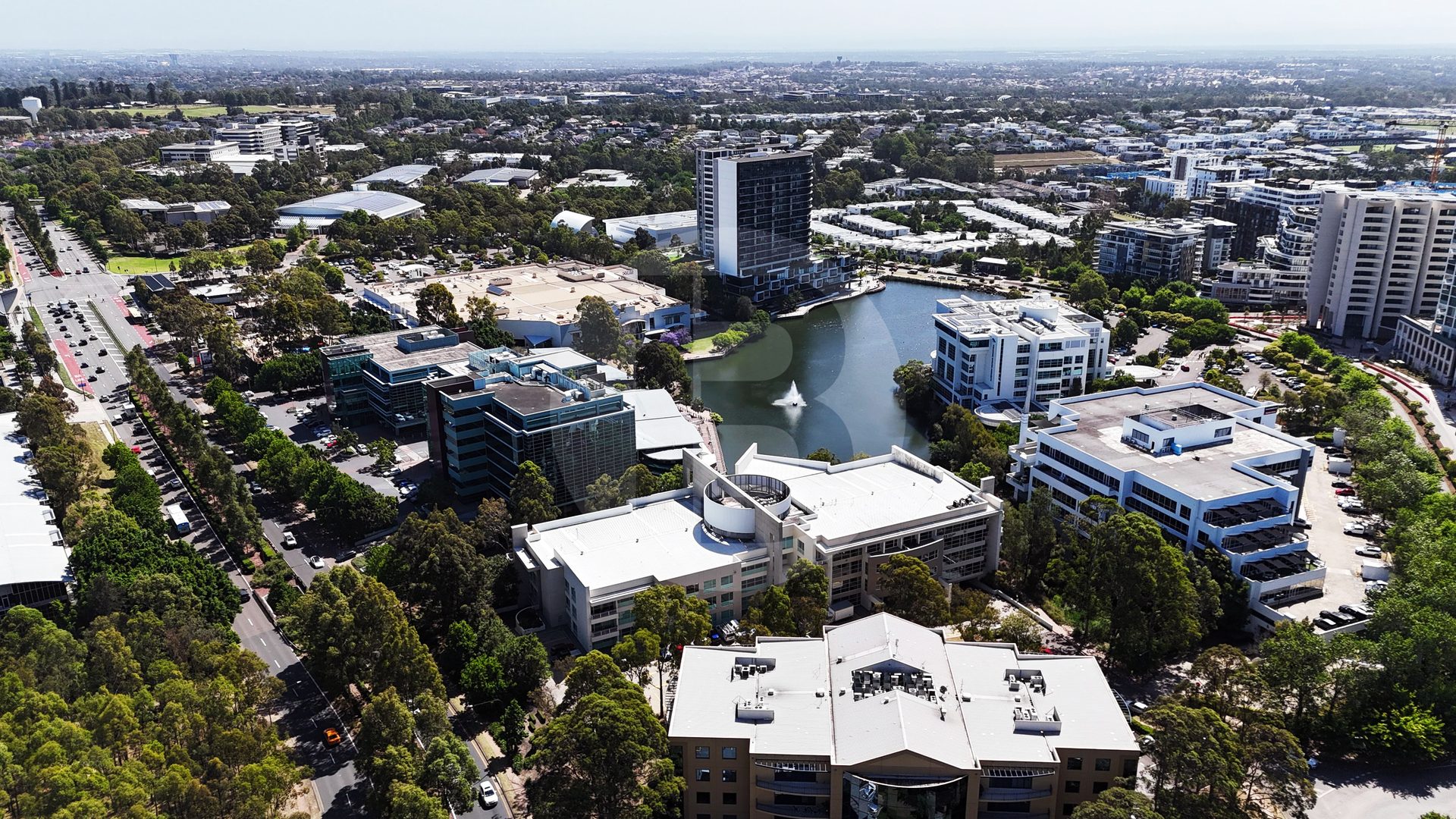
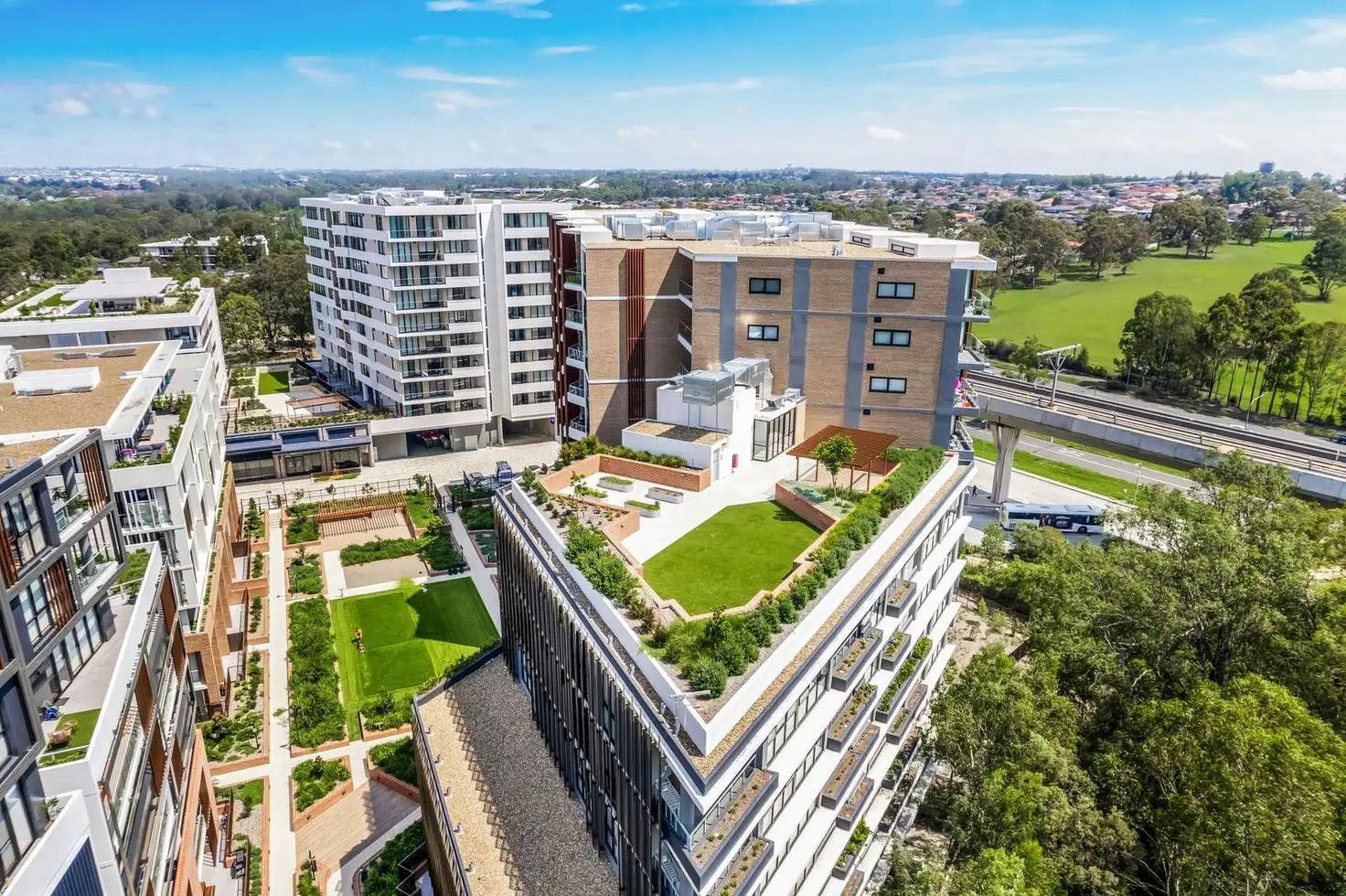
Illustrative imagery only. No precinct boundary, catchment or project boundary shown on this page has been defined, adopted or approved. Geographic references are indicative and subject to validation.
No preferred location has been selected.
Criteria, not preference
No site and no precinct boundary has been chosen, shortlisted or favoured by the Alliance or by any participant. Any location, aerial photograph or place name referenced anywhere on this page is illustrative, a way of explaining the concept, not a proposal.
If the workstream proceeds, any future recommendation will be produced by applying published assessment criteria consistently across the region, not by selecting a location in advance. Until that assessment exists and is published, this page asserts nothing about where productive precincts should or will be.
Nine tests any location would have to pass.
These criteria define how a candidate site would be judged, and, just as importantly, what would disqualify one. They are proposed for testing with employers, councils and infrastructure providers, and remain subject to change.
Demand
Current and emerging employer demand in the region, tested with industry rather than assumed from projections.
Land availability
Whether suitable employment land exists, is serviced, and could be used without displacing other needs.
Freight & access
How goods and workers would reach the site, by road, by freight link and by public transport.
Utilities
Power, water, wastewater and data capacity available now, or plannable at the scale industry requires.
Hazards & environment
Flood, bushfire, contamination and environmental constraints that shape what can safely be built.
Health services
Proximity to health and aged-care services, major local employers, and part of a workforce's daily reality.
Education & skills
Access to school, TAFE and university pathways that feed, sustain and refresh the local workforce.
Existing anchors
Established employers, institutions and infrastructure that a precinct could build around rather than replace.
Export potential
Whether the cluster could compete beyond Sydney and beyond Australia over time, the test of lasting productivity.
Industries that might cluster, if the evidence says so.
Clusters are drawn from what the region already does and what it is positioned to grow into. They are a starting hypothesis for employer testing, not a strategy adopted in advance.
- Advanced manufacturing & automation
- Health & life sciences
- Construction & building trades
- Logistics & distribution
- Digital & business services
- Food & agribusiness

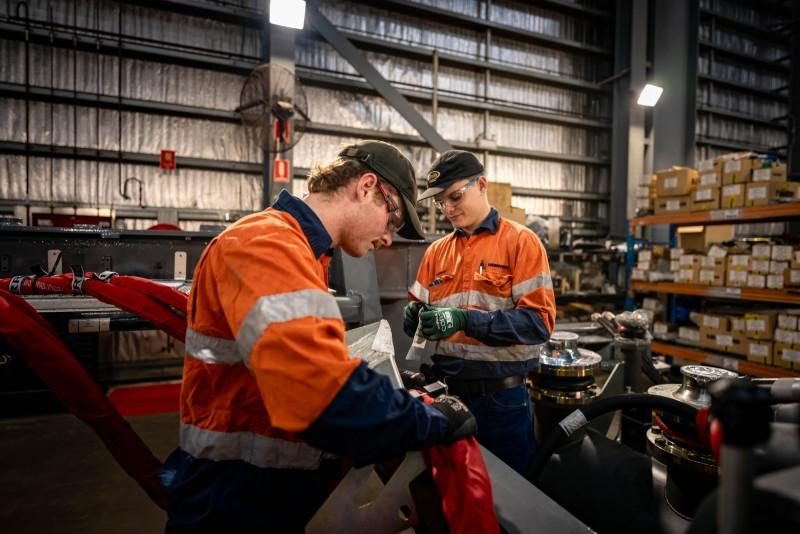
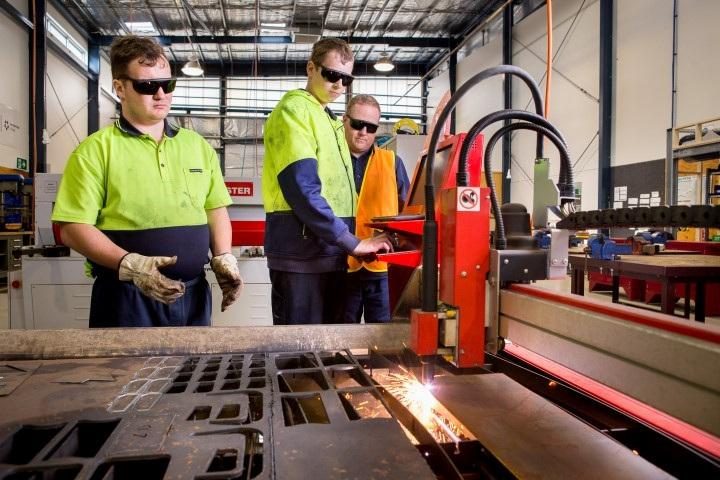
Illustrative imagery of advanced industry. It does not depict a proposed precinct, tenant or investment.
From evidence to investment.
Precinct work fails when it starts with a shovel. The Alliance's proposed sequence runs the other way, evidence first, criteria second, recommendation last, and only if the evidence supports one.
- Evidence first: demand, land, utilities, hazards and anchor data gathered and verified before anything is proposed.
- Criteria applied consistently: the same nine tests applied across all three council areas, published as they are used.
- Recommendation only if earned: a next step is taken only where the evidence supports it, and the reasoning is made public.
- Non-partisan by design: the case is built to outlast an election cycle, whatever government is in office.
Land, industry and the people between them.
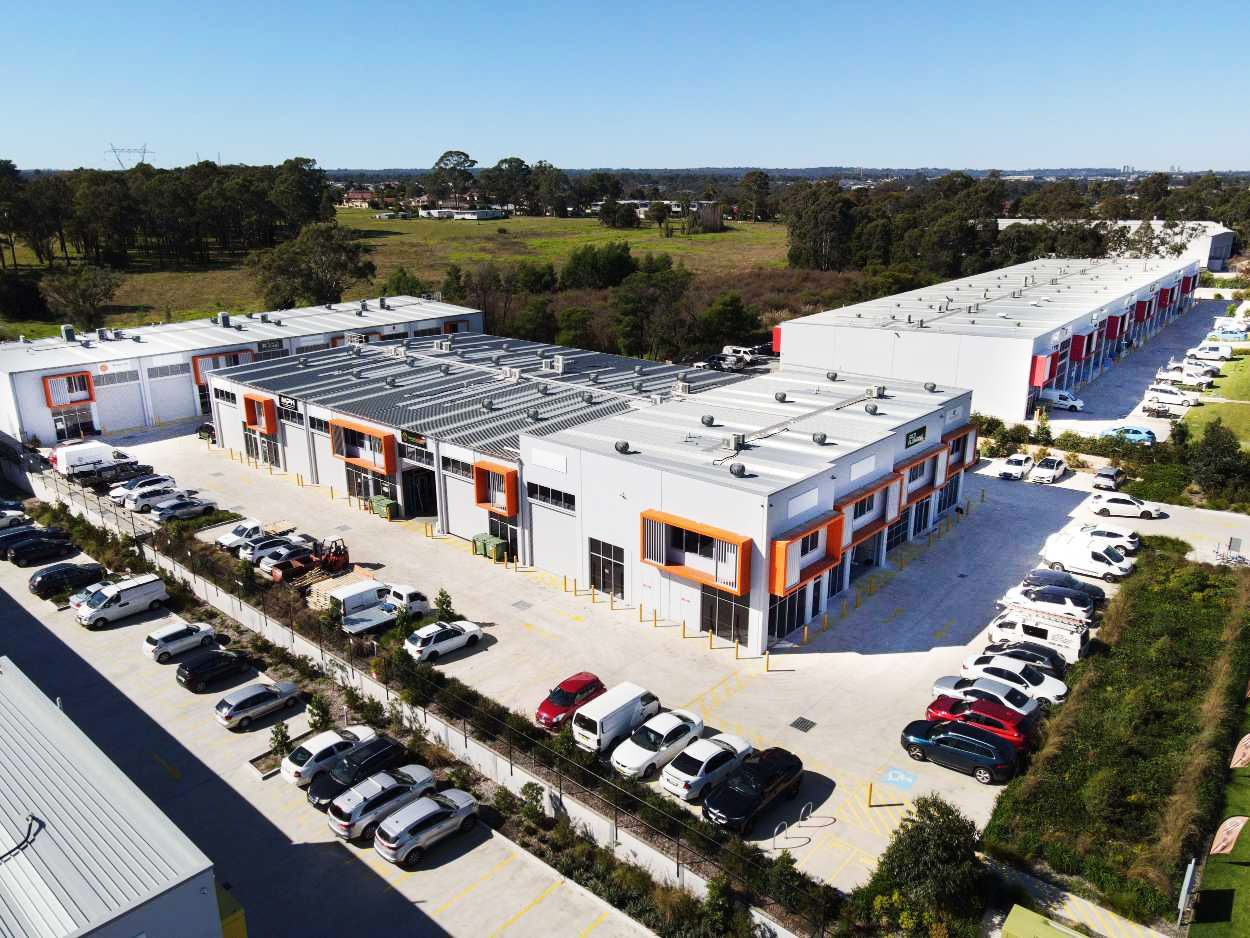
Employment land, factory floors, fabrication and housing, the elements a precinct assessment has to consider together.
Know the land, the constraints or the industry?
Precinct evidence comes from the people already operating in the region, employers, landholders, infrastructure providers and councils. Tell us what you know, and it will be tested against the criteria before anything is concluded.