

One agenda, three workstreams, and one cross-cutting test.
Each priority below is a proposed workstream: an area where the Alliance believes regional action is needed, presented as a discussion draft to be interrogated with employers, councils, educators and civic institutions. None is a settled program, and none carries secured funding or government approval.
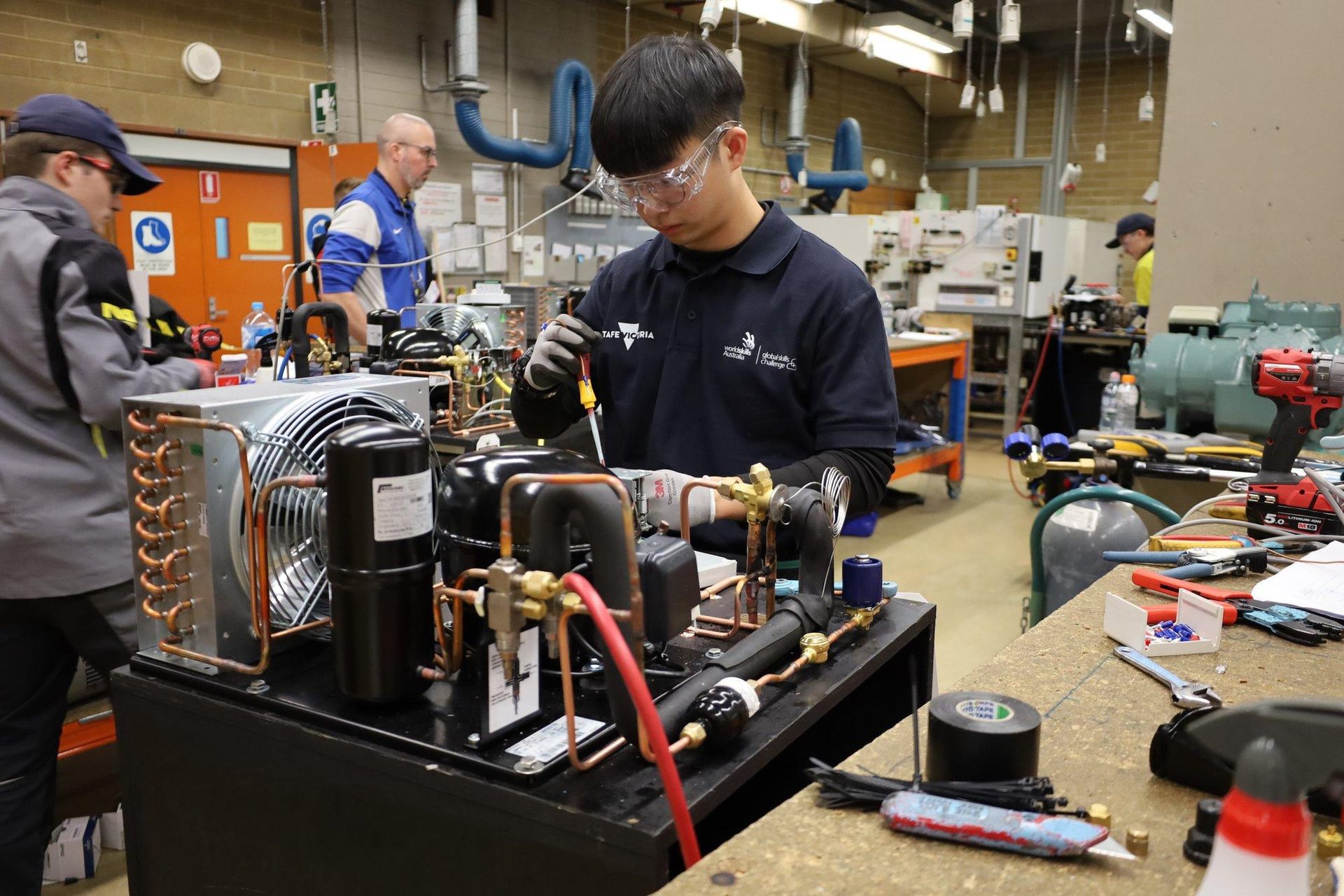
TAFE Centre of Excellence
A proposed development pathway for a North West Sydney TAFE Centre of Excellence, co-designed with TAFE NSW and employers, with a funded next-stage business case and agreed milestones.
Explore this priority
Regional Connectivity
Labour access, public transport, road and freight, active transport and digital connections, so people and goods can move to where opportunity is created.
Explore this priority
Productive Precincts
A precinct and linked-sites approach that matches land, utilities, freight, health and education to the industries of the next two decades.
Explore this priorityWhere each workstream stands today.
Every workstream is presented with the same four reference points: its current stage, the evidence it requires, the next decision it leads to, and who is involved. Responsible and participating parties are recorded only where they have been confirmed, which, at this stage, is nowhere.
| Workstream | Current stage | Evidence required | Next decision | Participants |
|---|---|---|---|---|
| TAFE Centre of ExcellenceFlagship campaign feature | Discussion draft · evidence gathering | Employer demand, curriculum and equipment needs, site assessment | Whether to proceed to a funded next-stage business case | To be confirmed through engagement |
| Regional ConnectivityFive connections, one test | Discussion draft · corridor scoping | Access barriers, transport and freight demand, digital connectivity evidence | Which connectors enter the Phase 2 corridor-status register | To be confirmed through engagement |
| Productive PrecinctsPrecincts and linked sites | Discussion draft · criteria development | Land, utilities, hazard, health and anchor-employer evidence | How the assessment criteria are weighted in the first assessment | To be confirmed through engagement |
Resilience and sequencing: the cross-cutting test
Before any workstream advances, it is tested against the same four questions. The test is deliberately practical: it is easier to advocate for projects than to check whether they depend on one another, whether they leave the region exposed to the next shock, and whether the evidence behind them would survive scrutiny.
Resilience is a lens, not a fourth campaign. Economic resilience is applied across all three priorities as a way of judging them (alongside infrastructure sequencing, non-partisan advocacy and evidence standards) rather than campaigned on as a separate flagship.
Sequencing matters for the same reason: transport, utilities, services and employment land are planned today by different bodies on different timelines. The Alliance's role is to hold the dependency order in view (a cross-boundary view no single organisation currently owns) and to make the case for it constructively, whichever government is in office.
- Economic resilience: does the workstream help the region absorb shocks and retain local jobs and essential services?
- Infrastructure sequencing: are transport, utilities, services and employment land planned in dependency order rather than in isolation?
- Non-partisan advocacy: is the ask constructive and workable whichever government is in office?
- Evidence standards: is every claim sourced, dated and verifiable before it is published?
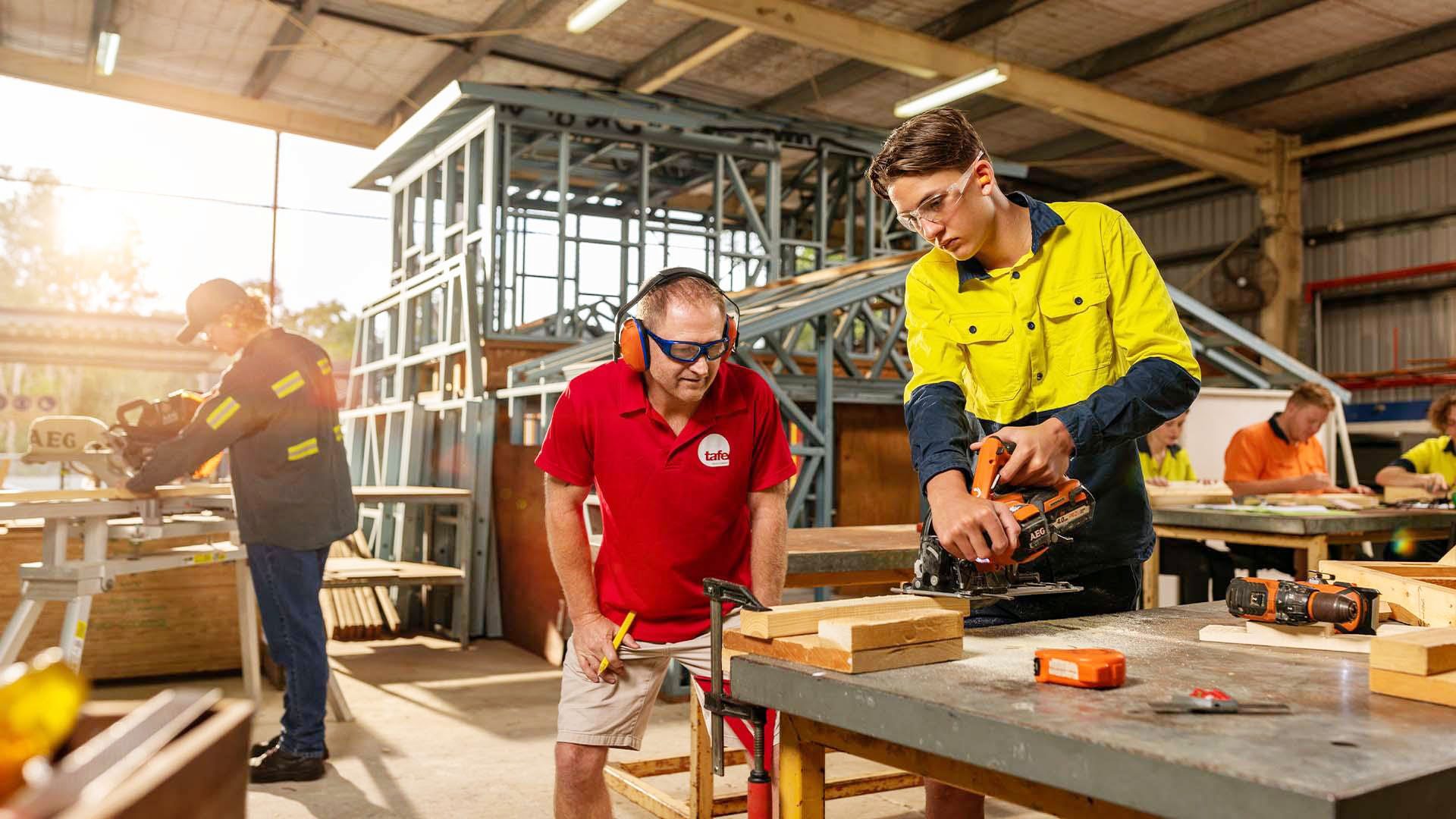
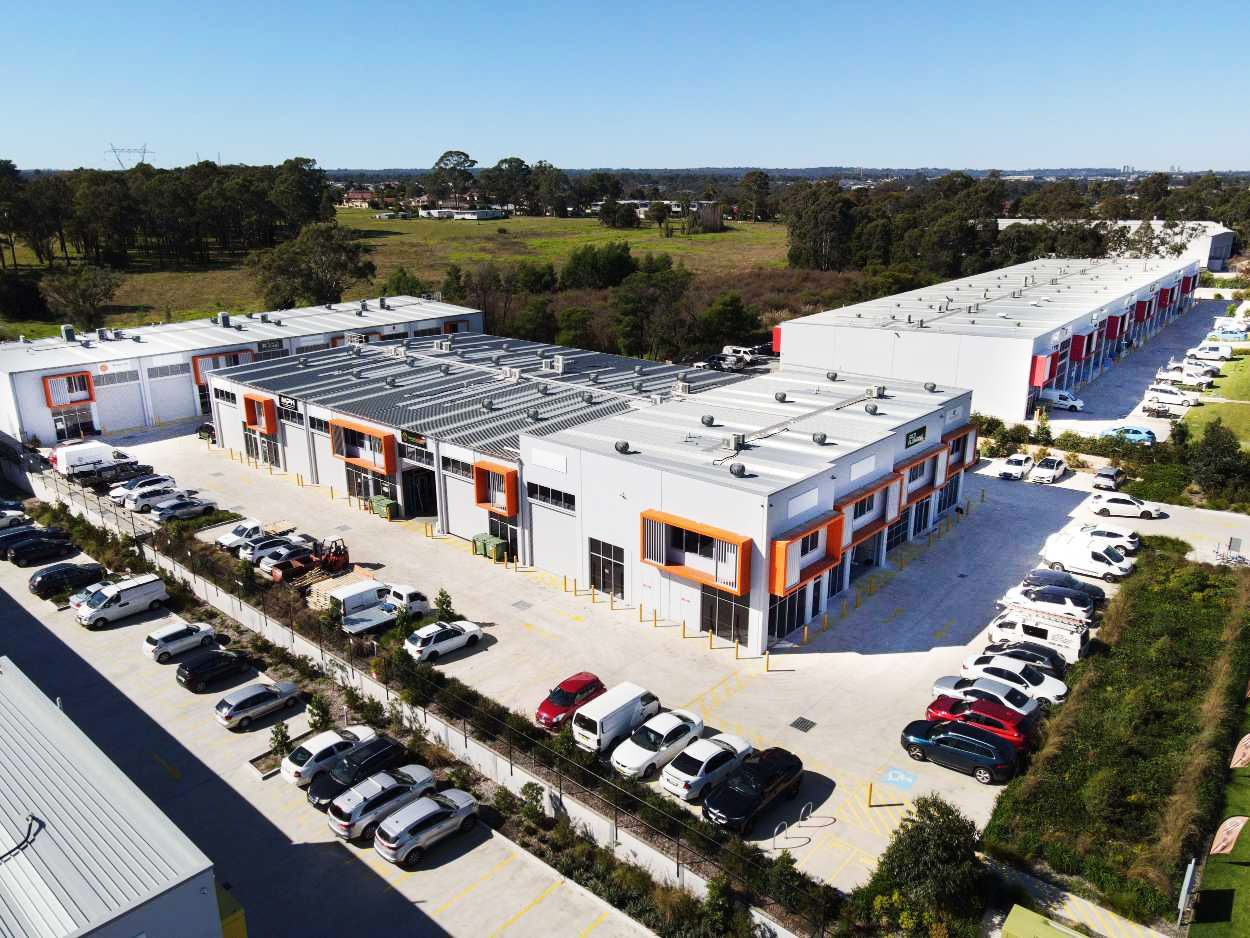
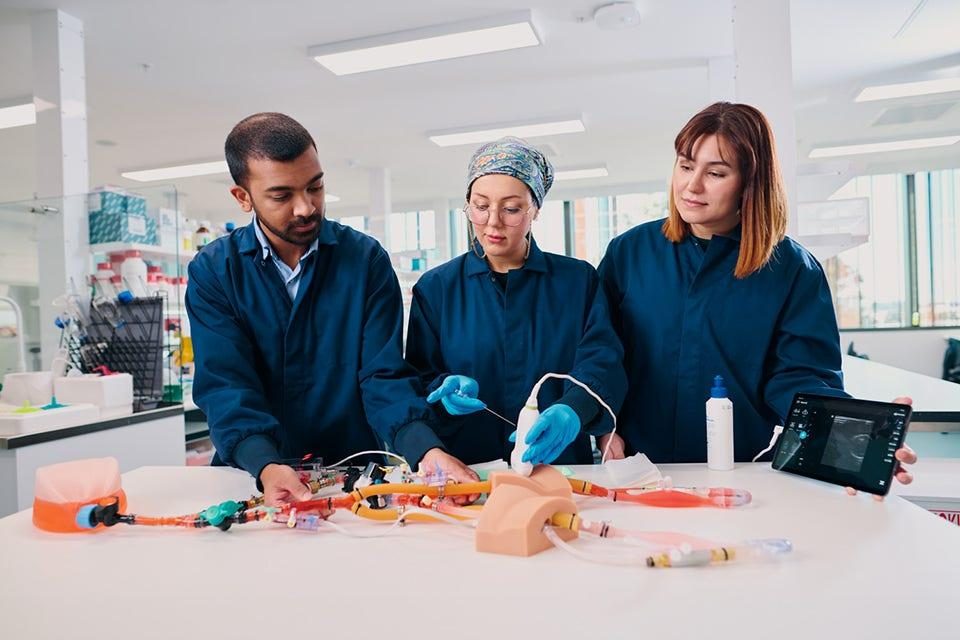
What the priorities look like on the ground.
Training, advanced industry, employment land and practical skills, the four themes that recur across all three workstreams.

Bring evidence to the agenda.
The Alliance is gathering employer, educator and council input to test each workstream. Contributions are exploratory: they confer no membership, no funding commitment and no endorsement, and they will be verified before they are published.