
The problem we are solving
Growth is arriving across the region, but the decisions that shape job fit, skills pathways and infrastructure sequencing are still being made one boundary at a time.
- Job fit: accessible local job opportunities are not keeping pace with where residents are choosing to live.
- Skills pathways: training, TAFE and university pipelines are not yet aligned with what employers need.
- Infrastructure sequencing: transport, employment land and precincts are planned in isolation from one another.
- Employment land: the land that hosts jobs is not consistently coordinated with housing and services growth.
- Resilience: no single body owns the cross-boundary decisions that determine the region's economic resilience.
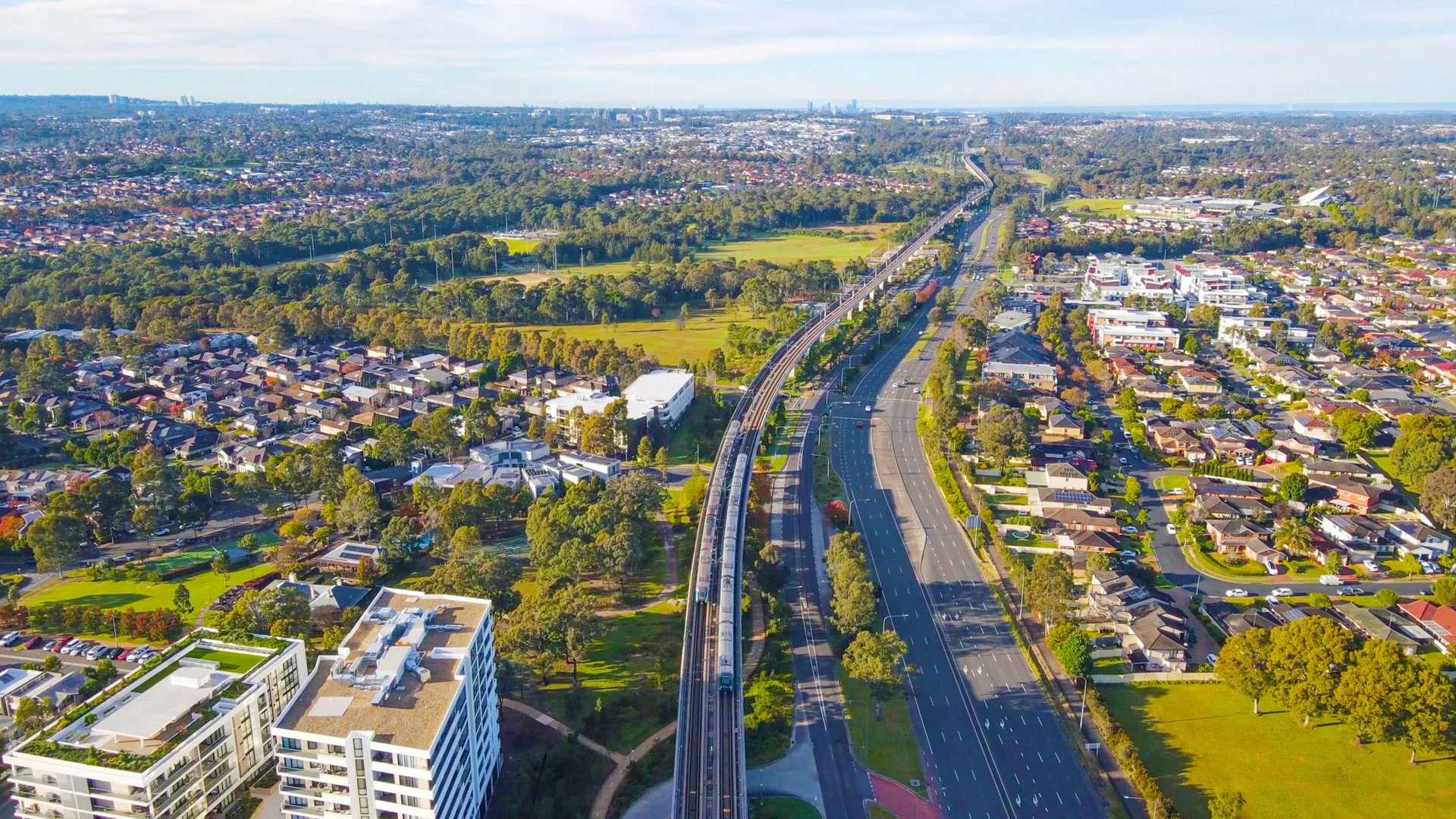
Illustrative imagery of the region. Geographic references are indicative and subject to validation.
What already exists,
and what is missing
The Alliance is not a start-from-scratch exercise. It is an added decision-making layer on top of institutions that are already doing the work, coordinating them around shared, cross-LGA decisions that nobody currently owns.
Already in place
- Local business chambers representing their members across the region.
- Council economic development teams in each of the three council areas.
- TAFE and university providers delivering training and degree pathways.
- Industry groups, employers and civic institutions working on their own agendas.
The gap
- No single body making economic decisions that cross council boundaries.
- No shared, agreed evidence base for the region as a whole.
- No sequenced infrastructure and skills ask spanning all three council areas.
An added layer, not a replacement
The proposed Alliance would sit alongside chambers, councils, educators and industry groups, adding regional coordination, a shared evidence base and one sequenced ask. It would not take over their work, and it would not speak for any organisation that has not given written approval.
What we stand for
Four principles shape how the proposed Alliance would advocate, decide and communicate.
Non-partisan advocacy
Engaging constructively with whichever government is in office, and advancing economic arguments rather than party positions.
Evidence-led
Starting from published, testable evidence, including the foundation papers, all issued as discussion drafts on 18 October 2026.
Business-led, government-enabled
Employers and educators set the agenda; public institutions enable it through planning, funding and leadership.
Cross-boundary by design
Decisions taken across The Hills, Blacktown and Hawkesbury together, because jobs, skills and infrastructure do not stop at a council boundary.
Three priorities, one agenda
The regional case is carried by three proposed workstreams, with economic resilience applied across all three as a cross-cutting lens.
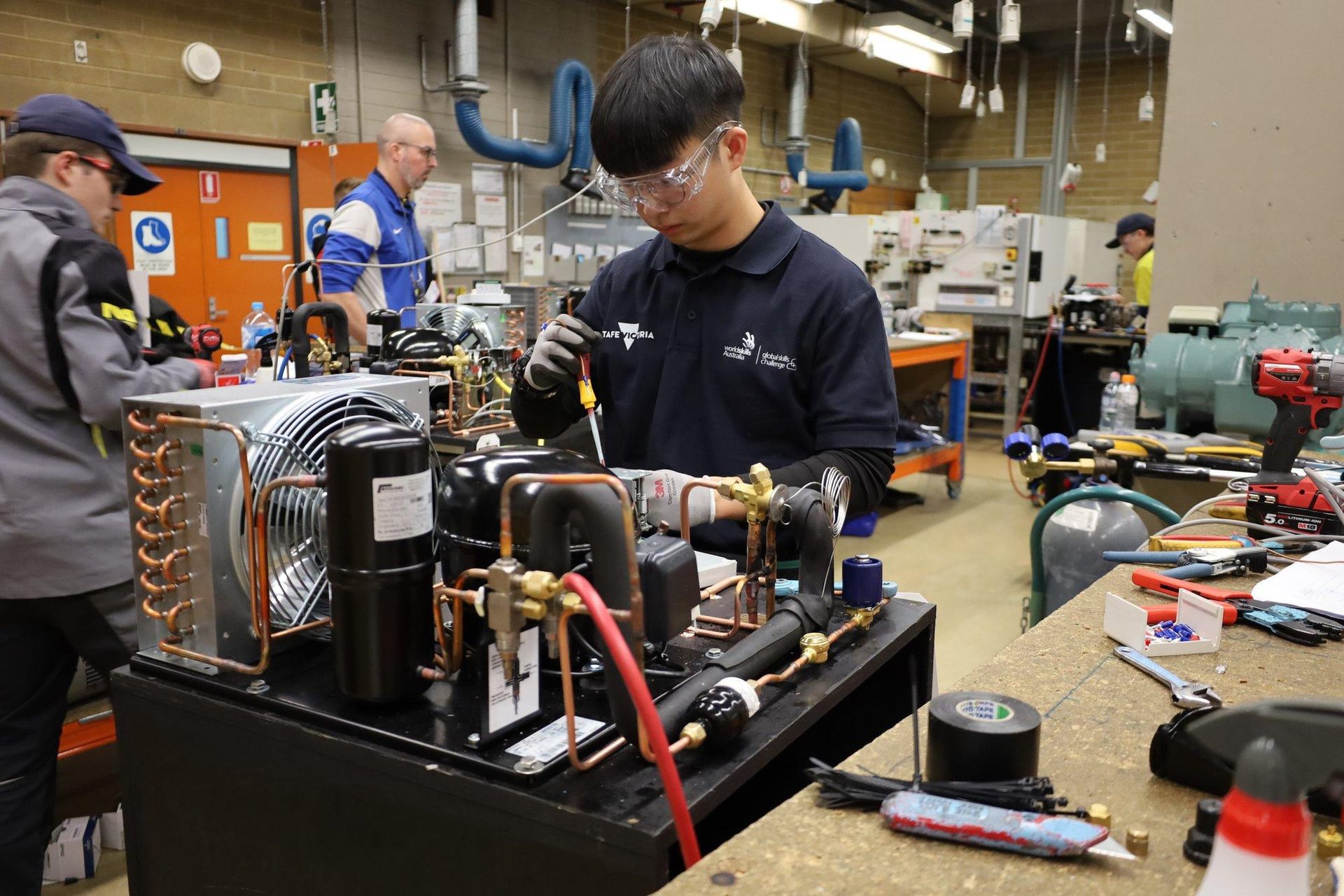
TAFE Centre of Excellence
A proposed development pathway for a North West Sydney TAFE Centre of Excellence, co-designed with TAFE NSW and employers, with a funded next-stage business case.
Explore this priority
Regional Connectivity
Labour access, public transport, road and freight, active transport and digital connections, so people and goods can move to where opportunity is created.
Explore this priority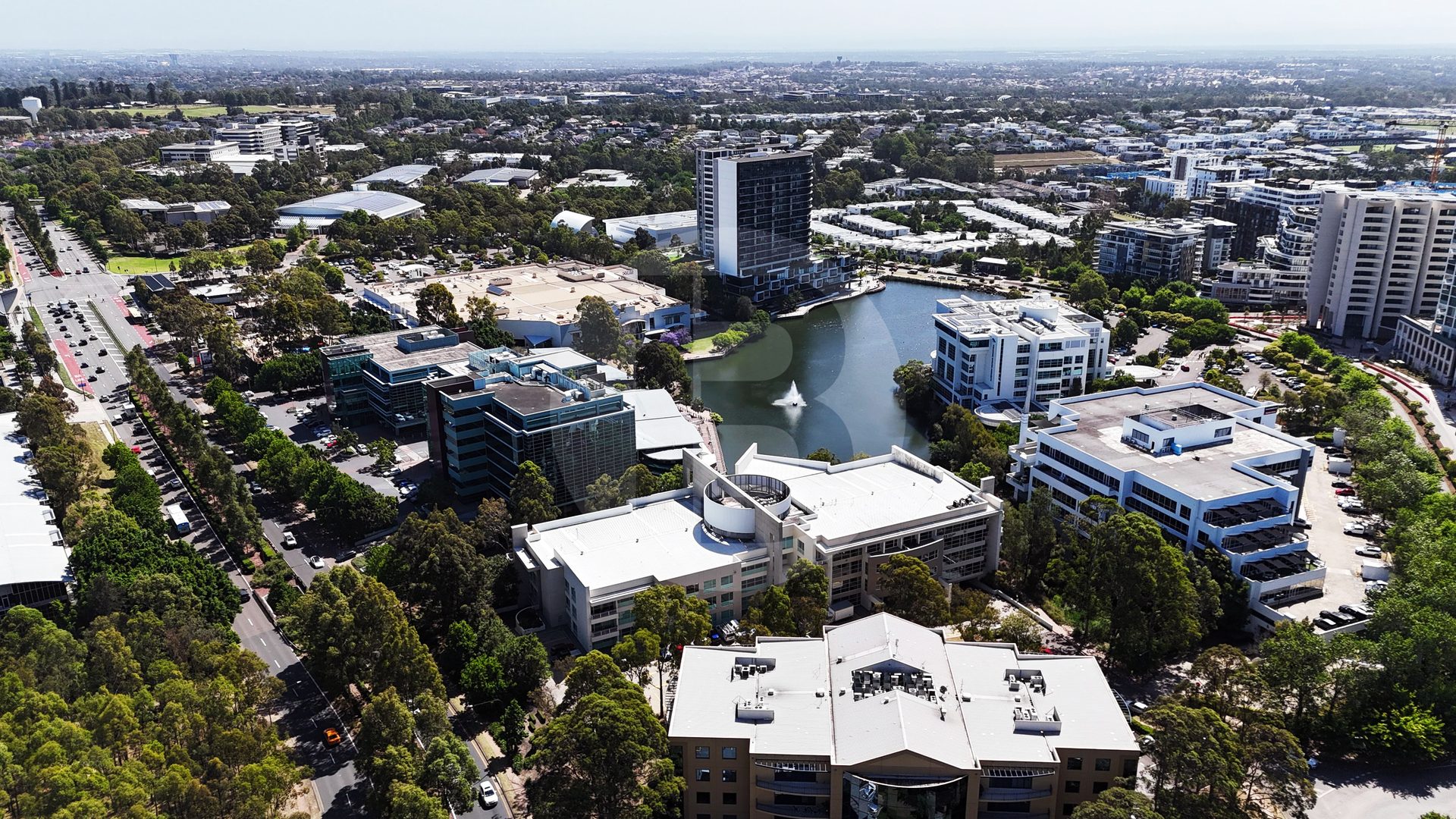
Productive Precincts
A precinct and linked-sites approach that matches land, utilities, freight, health and education to the industries of the next two decades.
Explore this priorityRead the case, then help us test it.
The roadmap sets out the proposed phases to 2046, and the partnership pages explain how organisations can contribute evidence, expertise and capacity, with no obligation and no implied endorsement.